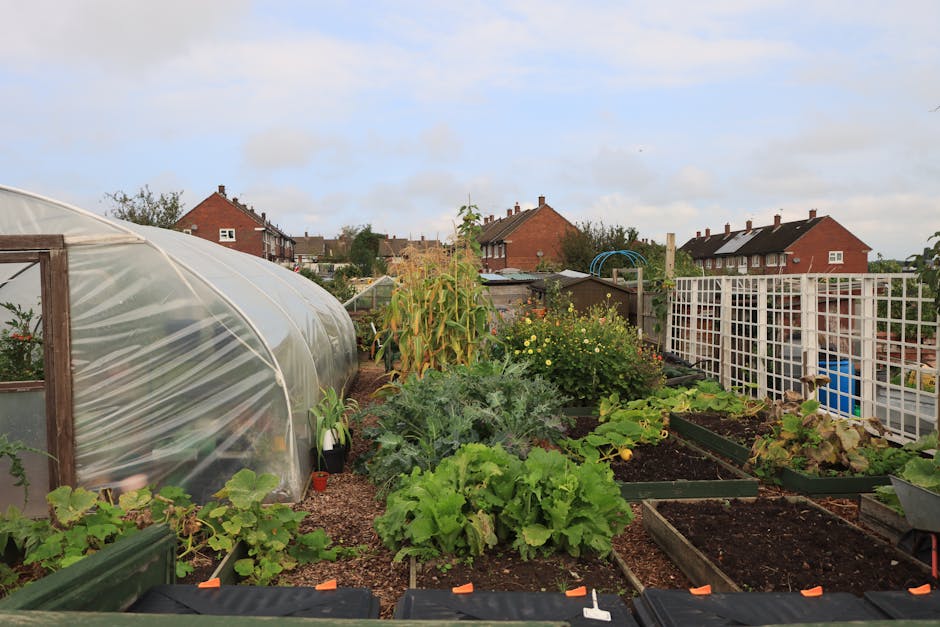
Gardening Services in Dalston

Our gardening services in Dalston cover regular outdoor care and one-off garden work for homes, landlords and local businesses that want a tidy, usable outside space. We handle practical tasks such as mowing, hedge trimming, garden clearance and wider maintenance, with the work planned around the condition of the site and the results you want. The aim is straightforward: keep the garden under control, improve its appearance and make the main jobs easier to manage over time.
Different gardens need different levels of attention, so we keep the service flexible rather than forcing everything into a single package. Some customers want help with routine upkeep, while others need heavier clearing before a plot can be used properly again. We can combine tasks where that is sensible, and we can also focus on a single job if that is all that is needed. If you are comparing options, clarity about the work matters more than a long list of promises.
For a quotation, the easiest starting point is to describe the garden, the main tasks and any access limits. A few photos or a short list of priorities can help shape a more accurate estimate, especially where there is overgrowth, waste to remove or a larger area to cover. If you already know the services you need, you can move straight to the relevant section below and ask us to quote for the work.
Routine garden maintenance and ongoing care
Routine maintenance is often the most efficient way to keep a garden presentable through the seasons. Our maintenance work can include lawn cutting, basic tidying, hedge trimming, border care and the removal of light green waste from day-to-day jobs. Rather than waiting until growth becomes difficult to manage, regular visits help keep edges defined, paths clearer and planting areas easier to work around. That approach suits front gardens, shared outdoor areas and private plots that need consistent attention.
We can adapt maintenance to the size and shape of the space, including gardens with narrow access, mixed surfaces or sections that need more careful handling. Some customers prefer a simple mow-and-tidy visit, while others want a broader checklist that addresses the whole visible garden. If the work needs to be split into stages, we can usually do that so the priority areas are handled first and the rest follows later in a sensible order.
Lawn care, edges and regular tidying
Lawn mowing is often the core of the service because it gives the garden an immediate sense of order. It can be combined with edging, small debris collection and a general tidy so the result looks deliberate rather than rushed. A well-kept lawn is easier to maintain when the edges are trimmed at the same time, and when clippings and cuttings are cleared away rather than left to build up. If the grass is uneven or overgrown, the work can be adjusted to suit the condition of the surface.
Garden clearance for overgrown or cluttered spaces

When a garden has been left untended, a clearance job is usually the most practical first step. Our garden clearance work is suited to spaces with dense growth, scattered waste, broken plant material or general clutter that is getting in the way of normal use. Clearing such a space involves more than simply removing visible items; it often means opening up access, dealing with accumulated cuttings and restoring enough order for the garden to be used or maintained properly afterwards.
Clearance work is usually more effective when it is planned around the site conditions. That may mean dealing with larger items first, then working through dense vegetation, loose debris and any remaining material that needs sorting or removal. We can also combine clearance with follow-on maintenance where the garden needs both a reset and a sensible route back to regular upkeep. If there are sections that should be left in place, those can be identified before work starts so the job stays focused.
For this kind of task, useful information includes the overall size of the area, whether waste needs taking away and whether there are access restrictions such as side passages or locked gates. A brief description of the main problem areas is usually enough to begin. If you are unsure how much work is involved, it is perfectly reasonable to ask for a quote based on what is visible and then refine the scope once the priorities are clear.
Hedge trimming and shaping work
Trimmed hedges help define a boundary, keep growth under control and reduce the untidy look that can build up when shrubs are left too long between visits. Our hedge trimming work covers routine cutting, reduction of excess growth and shaping so the hedge suits the surrounding space. The approach depends on the species, size and condition of the hedge, because some growth tolerates careful shaping while other hedges need a more measured cut to avoid bare patches or uneven recovery.
Hedge work can be useful on its own or as part of broader garden maintenance. It often needs a practical plan for waste removal, especially where the cuttings are bulky or where several sides of the hedge are being dealt with at once. We aim for clean lines and a finish that sits well with the rest of the garden rather than an overworked result. Where height, width or access make the task more demanding, the work can be broken down into manageable sections.
What to consider before trimming
- how much the hedge has grown since the last cut
- whether only light shaping is needed or a fuller reduction is required
- if cuttings should be removed as part of the job
- whether the hedge affects paths, fences, driveways or planted areas
- any access issues that may affect how the work is completed
Lawn cutting and grass care

Lawns can quickly lose their shape when the weather changes or when regular upkeep slips, so mowing needs to be practical, steady and suited to the growth pattern rather than treated as a cosmetic afterthought. Our lawn-mowing service is designed to keep grass at a manageable length, improve presentation and reduce the effort needed to keep the rest of the garden in order. The work can include the main cut, tidying the edges and removing the clippings where that is appropriate.
Different lawns call for different handling. Some are flat and straightforward, while others have uneven ground, awkward corners or mixed borders that need a slower, more careful approach. If a lawn is very long, the work may need to be treated as a recovery cut before regular mowing can resume. In that case, the main goal is to bring the grass back into a maintainable state without damaging the surface or leaving the finish patchy.
Good grass care is not only about cutting to a set height. It also involves choosing a sensible pace, managing the edges and making sure the result suits the rest of the garden. If you want to keep the lawn looking neater between full visits, it helps to arrange the mowing on a regular basis. When you request a quotation, mention whether the lawn is a simple open area or part of a garden with borders, slopes or tight access.
Tree work and larger growth management
Some gardens need more than trimming low-level growth. Where trees have become too large, are blocking light or are encroaching into the usable parts of the garden, the work may involve selective pruning or the removal of problematic growth. Our tree lopping and removal service is for situations where size, safety or practicality mean that larger vegetation needs proper attention. The work has to be assessed carefully because trees affect structure, clearance and the overall balance of the garden.
Tree-related jobs can vary widely. One site may need the reduction of overhanging branches, while another may require a full removal because the tree is unsuitable for the space or has become too difficult to manage. The surrounding area matters as well, especially where fences, sheds, paving or nearby planting could be affected by the work. A considered approach helps keep the job controlled and prevents unnecessary disruption to the rest of the garden.
Because larger growth can produce a lot of material, it is useful to discuss what should happen to the cuttings and any trunk or branch waste. If the work is part of a wider garden clearance, the two tasks can often be planned together so the space is dealt with in one coordinated visit. That can be more efficient than treating the tree work as a separate problem and leaving the rest of the garden untouched.
Landscape gardening and garden improvements

Where a garden needs more than maintenance, landscape gardening can help reshape the space into something more practical and better suited to day-to-day use. This kind of work may involve altering planting areas, changing the layout, refreshing tired sections or combining several improvements into one coordinated plan. It is especially useful when the current arrangement no longer works well and a simple tidy-up would not address the real problem.
Landscape gardening can sit alongside repair and improvement work, provided the scope is clear before anything starts. Some customers want a garden that is easier to maintain, while others are looking to improve the appearance of a front or rear space with a more structured layout. The right approach depends on the existing features, the available area and how much change is practical without overcomplicating the site. A measured plan usually gives a better result than trying to alter everything at once.
If you are unsure whether a one-off improvement or ongoing care would suit the garden better, it may help to start with a clear discussion of what is not working now. That makes it easier to decide whether the task is mainly maintenance, mainly clearance or a broader landscaping job with several moving parts. A good quote should reflect that distinction rather than treating every garden as if it needed the same solution.
About Dalston
Dalston is a district in the London Borough of Hackney, in east London, and it has developed into one of the capital’s most recognisable urban areas through a mix of residential streets, transport links and a strong cultural identity. The name is associated with a long history, but the area’s present character is shaped just as much by later Victorian and twentieth-century development, with terraces, mansion blocks and converted buildings sitting alongside newer construction. Dalston Lane and Kingsland Road are among the best-known routes through the district, and both reflect the area’s role as a busy corridor between neighbouring parts of inner London. The local street pattern is dense and varied, with smaller residential roads branching off from the main routes, giving the area a layered urban feel rather than a single planned centre. Dalston Junction and Dalston Kingsland station have also helped define movement through the district, linking it into wider London travel patterns. Cultural life has been a notable part of Dalston’s recent identity, with performance spaces, music venues and independent businesses contributing to its reputation as an energetic part of Hackney. At the same time, it remains rooted in the everyday fabric of a working urban neighbourhood, with schools, parks and local shopping parades providing much of the area’s day-to-day structure. Nearby green spaces such as London Fields and the wider Hackney parks network add balance to the dense streets, while the presence of community facilities and older residential architecture gives the district a strong sense of place within inner London.
How our service is arranged
Once the work has been identified, we can plan it in a way that suits the garden and the time available. Some jobs are best completed as a single visit, while others are more practical when split into stages, especially if the garden needs both clearance and follow-up maintenance. We do not assume that every space needs the same treatment; instead, we look at the tasks that will produce the most useful result for the condition of the garden as it stands. That keeps the work focused and avoids unnecessary extras.
It also helps to think about what outcome matters most: a tidier appearance, better access, a safer layout or a more manageable routine. Those aims can overlap, but they do not always require the same combination of tasks. For example, a lawn that simply needs regular attention is different from a garden where overgrowth has reached fences and paths. If the scope is clear, the quotation process becomes simpler and the work can be matched more accurately to the space.
Useful details to include with an enquiry
When you ask for a quotation, a concise description is often enough. It is useful to mention the main service you want, the approximate size of the area and whether there is waste to remove. If the garden has difficult access, dense growth or mixed tasks, say so at the outset. That helps make the estimate more accurate and reduces the chance of misunderstandings later on. You can also note whether the work is urgent or part of a planned tidy-up.
Choosing the right work for your garden
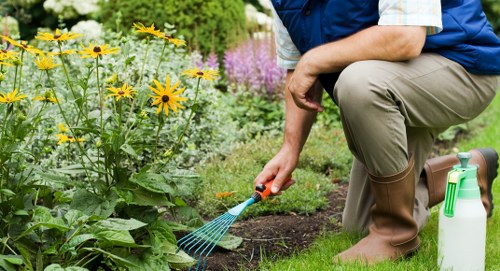
Some gardens need just one service, while others benefit from a combination. A regular mow may be enough for an open lawn, but a neglected plot might need garden maintenance alongside clearance, hedge trimming and some follow-up attention. Thinking in terms of the current condition of the site usually leads to a better result than trying to fit every garden into the same routine. The work should reflect what the space actually needs and what outcome you want from it.
If you are comparing possibilities, it can help to separate essential work from optional extras. Essential work might include removing overgrowth, restoring access or cutting back a hedge that has become unmanageable. Optional extras might be tidying borders or adding broader shaping once the main task is complete. That sort of order keeps the job manageable and can make the quotation clearer as well. If something is not required yet, it does not need to be added simply because it is available.
Request a quotation if you would like the work assessed against the current condition of the garden and the tasks you want completed. You can also use plain text to ask for a quote if you are still deciding between maintenance, clearance or a larger improvement job. Either way, the next step is to set out what needs doing so the service can be matched to the space without unnecessary guesswork.