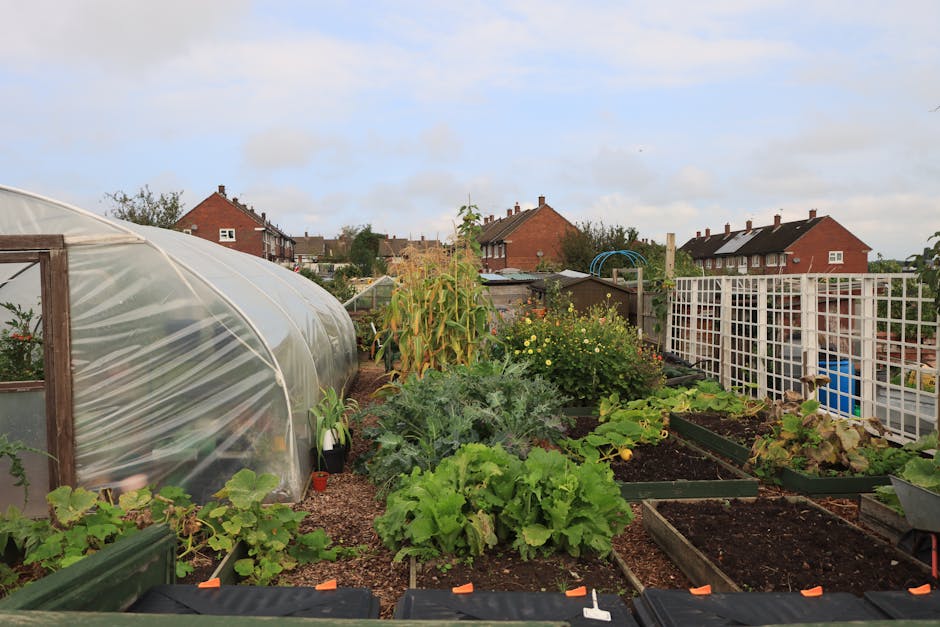
Gardeners serving Kingsland Road and Ridley Road Market: Local Garden Care That Fits Real London Life
If you live or work near Kingsland Road or Ridley Road Market, you already know the area has its own rhythm: busy pavements, tight front gardens, tucked-away courtyards, and the odd patch of green that has to work hard for its keep. That is exactly where Gardeners serving Kingsland Road and Ridley Road Market can make a real difference. Good garden care here is not about fuss or flashy overkill. It is about keeping outdoor space tidy, healthy, usable, and manageable in a neighbourhood where time is short and space is precious.
This guide breaks down what local gardening support usually involves, how the service works, what to expect, and how to avoid the usual headaches. Whether you need regular upkeep, a one-off garden clearance, help with a stubborn hedge, or a more considered transformation, you will find practical advice here. And yes, we will keep it straightforward.
Why Gardeners serving Kingsland Road and Ridley Road Market Matters
Gardening in this part of London is shaped by a few very real conditions: compact plots, mixed-use streets, shared access, and gardens that often sit behind terraces or above ground-floor flats. That changes what "good gardening" looks like. It is less about showpiece lawns and more about making a space work in the day-to-day.
A neglected garden near a busy road can fill up with self-seeded weeds, compacted soil, overgrown climbers, and blocked paths surprisingly fast. Add damp corners, shaded fences, or uneven access, and even a simple bit of maintenance can become a small project. That is why local knowledge matters. A gardener who understands the pace of the area, the practical limits of urban outdoor space, and the reality of regular upkeep is usually a much better fit than a one-size-fits-all approach.
For many people, the biggest value is not visual drama. It is breathing room. A swept patio, a trimmed boundary, a clear route to the bins, a lawn that does not look tired by Wednesday. Small wins. But they add up.
Expert summary: In dense London neighbourhoods, garden care works best when it is practical, regular, and scaled to the space. A tidy, usable garden is often more valuable than an ambitious overhaul that is hard to maintain.
If you are planning anything beyond basic upkeep, it also helps to understand the wider service picture. A page like the services overview can give a clearer sense of how maintenance, clearance, landscaping, and specialist tasks fit together.
How Gardeners serving Kingsland Road and Ridley Road Market Works
In practical terms, the service usually starts with a short conversation about the space, the condition of the garden, and what you want it to look like when the work is done. That might be a regular maintenance plan, a one-off tidy, or a more involved job involving hedge work, lawn care, or structural changes.
The better the initial brief, the better the result. A front garden with patchy growth and a broken edge needs a different approach from a shared back courtyard with pots, climbers, and limited storage for waste. A decent gardener will look at access, season, plant health, safe disposal, and the likely time needed. No mystery. Just sensible planning.
Typical work can include:
- general garden maintenance
- grass cutting and edging
- hedge trimming and shaping
- pruning shrubs and light tree work
- leaf clearing and seasonal tidy-ups
- garden clearance after heavy growth or a tenancy change
- landscaping or layout improvements where needed
For recurring upkeep, garden maintenance is usually the starting point. If things have become a bit wild, garden clearance is often the more sensible first step. And if your boundary growth is spilling into walkways or leaning over neighbouring space, hedge trimming becomes part of the conversation pretty quickly.
In some cases, there is no tidy divide between upkeep and improvement. Maybe the garden needs new structure, better drainage, or a more usable surface. That is where landscaping or landscape gardening can come in. Different job, different mindset.
Key Benefits and Practical Advantages
The clearest benefit is simplicity. A good local gardening service removes pressure from the weekly to-do list and stops small problems from snowballing. But there are more practical gains than that.
- Better use of space: even tiny gardens can feel bigger when clutter, dead growth, and awkward overgrowth are cut back.
- Healthier planting: regular pruning, feeding, and weeding can help plants recover and stay productive.
- Safer access: clear paths and edges reduce the chance of trips and messy blockages.
- Cleaner presentation: useful if you are letting, selling, managing a property, or simply wanting a calm place to sit.
- Less waste overload: scheduled clearance and responsible disposal stop garden debris from building up.
- Better seasonal timing: work done at the right point in the year usually lasts longer. Sounds obvious, but many gardens are improved by timing as much as labour.
There is also a subtle comfort factor. A garden that is looked after tends to invite people outside more often. That might mean morning coffee on a small terrace, or ten quiet minutes after a long commute with the noise of the street softening in the background. Tiny thing, but people notice.
If lawn areas are part of the site, lawn mowing can do more than just make the grass shorter. It helps establish routine, keeps edges under control, and makes the whole garden feel less chaotic. Funny how such a simple task changes everything.
Who This Is For and When It Makes Sense
These services are a strong fit for people who have outdoor space but do not have the time, equipment, or patience to keep on top of it. That includes tenants, landlords, busy homeowners, small business owners with frontage, property managers, and anyone dealing with a garden that has got away from them a little.
It also makes sense if you are preparing for a change:
- moving into a new home and inheriting a tired garden
- getting a property ready for sale or letting
- resetting the space after a long period of low maintenance
- planning a garden redesign
- trying to restore order after stormy weather or a heavy growing season
Not every garden needs the same level of attention. A small paved yard with containers may just need periodic tidy-ups and plant replacement. A larger rear garden with mature shrubs may need a more structured plan. The point is not to oversell anything. It is to match the right level of work to the real state of the space.
And if the garden includes older or taller trees, you may also need specialist support. In those cases, tree lopping and removal is the sort of service that should be discussed carefully, especially where safety, access, and neighbouring properties are involved.
Step-by-Step Guidance
If you are arranging garden work around Kingsland Road and Ridley Road Market, this simple process helps keep things smooth.
- Assess the space honestly. Walk through the garden and note what is actually wrong: weeds, height, waste, dead plants, bare patches, access issues, or structural problems.
- Decide whether it is maintenance or recovery. A light tidy is different from a clearance job. Be fair to yourself here. If the space is heavily overgrown, calling it "just a trim" will only make the visit feel rushed.
- Prioritise the outcome. Do you want it usable, prettier, safer, or ready for new planting? Pick the top one or two outcomes first.
- Check access and waste handling. Narrow side passages, communal entrances, and limited storage all affect how work is done.
- Choose the right service mix. That might be maintenance, clearance, hedge work, or a longer-term landscaping plan.
- Agree what is included. This avoids awkward surprises. For example, does the job include waste removal, pruning, cutting back climbers, or just surface clearing?
- Book work at the right time. Early spring, mid-summer, and autumn all have different priorities. Timing matters more than many people think.
- Keep the aftercare realistic. Even the best tidy-up will drift if the garden is never revisited. A small monthly visit often beats one huge rescue mission every year.
A quick example: a back garden behind a flat near Dalston Junction might need a first visit to clear the growth, a second to reshape the border and level the space, and then lighter maintenance through the season. That staged approach is usually cheaper and calmer than trying to do everything at once. Less drama. Better result.
Expert Tips for Better Results
The small decisions usually make the difference between a garden that looks tidy for a week and one that stays manageable. Here are the habits that tend to pay off.
- Work from the edges inward. Edges, paths, and borders create the visual frame. Sort those first and the space instantly feels better.
- Do not overcut everything. Hard cutting can stress plants, especially in dry spells or after a rough winter.
- Remove waste as you go. Piles of cuttings attract mess and slow everything down.
- Think about water and shade. London gardens often have awkward light. That affects what survives and where.
- Leave room to grow. Overcrowding is common in small plots. A little space around each plant usually leads to healthier growth.
- Match the surface to the use. If the garden is mainly for sitting, eating, or a child's play area, maintenance should support that use rather than fight it.
One practical tip that saves a lot of bother: photograph the garden before any big work starts. It helps with planning, comparison, and follow-up. Also, when the after shots look excellent, you will be glad you did. People forget quickly once the fresh mulch smell fades.
For homeowners planning a full refresh, it can be worth thinking ahead to future upkeep while the design is being discussed. A garden that is beautiful but awkward to maintain is, frankly, a bit of a trap.
Common Mistakes to Avoid
Most garden problems do not happen all at once. They creep in through small mistakes and unrealistic expectations. Here are the ones seen most often.
- Waiting too long. Once weeds seed, hedges thicken, and paths disappear under growth, the work gets slower and costlier.
- Mixing up clearance and maintenance. They are related, but not the same job.
- Ignoring access. A narrow passage, shared stairwell, or locked side gate can make waste removal tricky.
- Choosing style before function. Pretty borders are lovely, but if the space is awkward to use, you will still be frustrated.
- Cutting without a plan. Trim first, think later is how good shrubs become sorry-looking stumps.
- Forgetting the season. A job that suits late spring may not be sensible in a cold wet week in January.
Another quiet mistake: asking for "just a tidy" without explaining what tidy means to you. One person wants the whole place stripped back. Another just wants the bins path cleared and the front hedge smartened up. Those are not the same thing, and it matters.
If you are ever unsure, a good rule is this: describe what you want the garden to do, not just how you want it to look.
Tools, Resources and Recommendations
A professional job usually combines the right tools with a sensible workflow. The exact kit depends on the task, but the practical essentials often include grass cutting equipment, pruning tools, hedge trimmers, wheelbarrows, collection bags, hand tools for edging, and appropriate safety gear.
For more involved jobs, the value is less about shiny equipment and more about using the right tool at the right point. A hedge can be ruined with over-enthusiastic cutting; a border can be transformed by patient hand weeding and proper edging. There is a craft to it, even if it looks simple from the pavement.
When choosing a provider, it helps to look beyond the headline service. A few useful pages can support your decision:
- pricing and quotes for understanding how estimates and scope are handled
- insurance and safety for reassurance around site work
- health and safety policy if the job involves heavier clearance or ladder work
- recycling and sustainability if you care about how green waste is managed
That last one matters more than many people expect. Garden waste is bulky, messy, and easy to mishandle. Responsible removal is just part of doing the job properly.
Law, Compliance, Standards, or Best Practice
Garden work in London is not usually complicated from a legal point of view, but there are still sensible standards to follow. Good practice matters, especially where access is shared, trees are larger, waste is involved, or work is carried out close to neighbours.
Some broad expectations are worth keeping in mind:
- Waste should be handled responsibly. Garden debris, soil, timber, and mixed green waste should not be dumped casually.
- Work should respect boundaries. Overhanging branches, shared walls, and access routes need care and communication.
- Safety should come first. Tools, ladders, and pruning work should be handled with suitable precautions.
- Tree work may need extra caution. Larger trees can involve height, weight, and possible property risk, so specialist judgement matters.
- Neighbour relations are part of the job. In dense streets, noise, timing, and clearance routes matter a lot more than people realise.
It is also good practice for a provider to explain what is included, what is excluded, and how any waste or access issue will be managed. Simple, transparent communication saves a lot of awkwardness later. The boring bit, yes. But it is the boring bit that keeps everything smooth.
If you want a broader sense of how a business handles policies and responsibilities, the site's about us page and policy pages help set expectations. Trust is built in the small details.
Options, Methods, or Comparison Table
Choosing the right type of help depends on how far the garden has drifted from manageable. This quick comparison should make the decision easier.
| Service type | Best for | Typical outcome | Good to know |
|---|---|---|---|
| Garden maintenance | Ongoing upkeep and regular control | A tidy, healthy garden that stays under control | Best when the space is already in decent shape |
| Garden clearance | Overgrown, cluttered, or neglected gardens | A cleared, reset space ready for use or redesign | Often the first step before anything else |
| Lawn mowing | Grass that needs routine control | Cleaner lines, better appearance, easier upkeep | Works best on a regular schedule |
| Hedge trimming | Boundary hedges and shaped shrub lines | Neater edges and controlled growth | Timing matters for plant health and appearance |
| Landscaping | Layout changes, surfaces, and garden structure | A more usable or better-looking outdoor space | Better for long-term improvements than quick tidies |
If you are still unsure, start with the simplest question: do you need a reset, or do you need routine care? That one answer often makes the rest obvious.
Case Study or Real-World Example
Here is a realistic scenario. A small terrace garden off Kingsland Road has become hard to use. The bins are hard to reach, the hedge leans into the path, the lawn is patchy, and there is a corner full of cuttings from earlier, half-finished jobs. Nothing dramatic. Just enough to make the space feel like a chore.
The sensible approach would be:
- clear the waste and cuttings first
- trim the hedge back to a manageable line
- mow and edge the lawn area
- remove dead growth and tidy the borders
- check whether the layout needs a small redesign for easier use
After that, the owner can decide whether to keep the garden on a maintenance cycle or invest in a longer-term improvement. Usually, once people see the space properly again, they make better decisions. It is funny how much clarity a clean garden gives you. One client may say, "Oh, there's more room here than I thought," and suddenly the whole plan changes.
That is the practical value of good garden work. It does not just improve appearance; it changes how you think about the space.
Practical Checklist
Before booking work, run through this quick checklist.
- Is the job maintenance, clearance, landscaping, or a mix?
- Do you know your main outcome: tidy, usable, safer, or redesigned?
- Have you checked access for tools, waste, and people?
- Are there hedges, trees, or climbing plants that need specialist attention?
- Do you need lawn care as part of the visit?
- Is there garden waste that needs removing?
- Would a repeat schedule help more than a one-off job?
- Have you looked at pricing, safety, and sustainability information?
- Do you know which parts of the work are essential and which are optional?
- Have you thought about how the garden should be maintained afterwards?
If you can answer most of those confidently, you are in a good position to get a result that feels worth it.
Get a free quote today and see how much you can save.
Conclusion
Gardeners serving Kingsland Road and Ridley Road Market are not just there to cut grass or remove weeds. The real value is helping people keep small, often awkward outdoor spaces workable, attractive, and far less stressful to live with. In a busy part of London, that matters more than people sometimes admit.
The best results usually come from a simple formula: honest assessment, the right service mix, realistic timing, and proper aftercare. Nothing fancy. Just good, careful work done with local conditions in mind.
And if the garden currently feels like one more thing on an already full plate, that is exactly the kind of problem that can be eased. Bit by bit, it becomes manageable again. Then, maybe, enjoyable. That is the nice part.
To learn more about the team and how they work, you can also review the contact details and see whether the service style feels like a fit for your space.
Frequently Asked Questions
What services do gardeners serving Kingsland Road and Ridley Road Market usually provide?
They usually cover garden maintenance, lawn mowing, hedge trimming, garden clearance, landscaping, and sometimes tree-related work where appropriate. The exact mix depends on the garden and how much work it needs.
Is garden maintenance better than a one-off tidy?
If the space is already under control, maintenance is often the smarter option because it keeps small issues from building up. If the garden is overgrown, a one-off clearance may be needed first.
How do I know if my garden needs clearance or landscaping?
Clearance is about removing overgrowth, waste, and clutter. Landscaping is about changing the structure, layout, or surfaces of the space. If the garden is unusable, you may need clearance first and landscaping afterwards.
Do small London gardens really need professional help?
Often, yes. Small gardens can be more fiddly than larger ones because every centimetre matters. A quick tidy can make a big difference, especially where access is tight or planting is crowded.
How often should lawn mowing be done?
That depends on the season, grass type, shade, and use of the garden. In active growing periods, a regular schedule usually works better than waiting until the grass gets too long.
Can hedge trimming help if my garden feels cramped?
Yes. Trimming hedges and overgrown shrubs can open up light, improve access, and make the garden feel less boxed in. It is one of those jobs that changes the whole feel of a space quickly.
What should I ask before booking a gardener?
Ask what is included, how waste will be handled, whether access is an issue, and whether the work is a one-off or part of ongoing maintenance. A clear conversation upfront saves hassle later.
Are tree lopping and removal always necessary for overhanging branches?
No. Sometimes careful pruning is enough. Tree work should be assessed properly because the right approach depends on the tree's size, condition, and position near buildings or paths.
How do I compare quotes fairly?
Compare like for like. Check what tasks are included, whether waste removal is covered, and whether the job is maintenance, clearance, or a larger landscaping project. Cheaper is not always better if the scope is vague.
Is it worth planning a garden redesign if I only have a small outdoor space?
Absolutely. Small spaces can benefit a lot from better layout, smarter planting, and improved access. Even a modest redesign can make a courtyard or terrace feel calmer and more useful.
What if I do not know exactly what I need?
That is very common. Start by explaining what feels wrong with the garden and what you want it to do. A good gardener can usually help translate that into the right service.
How do I keep the garden manageable after the work is done?
Set a simple routine. Light seasonal upkeep, regular mowing where needed, and occasional hedge or border attention will prevent the garden from sliding back into chaos. Little and often is usually the secret.