Urgent garden clearance Dalston what to expect
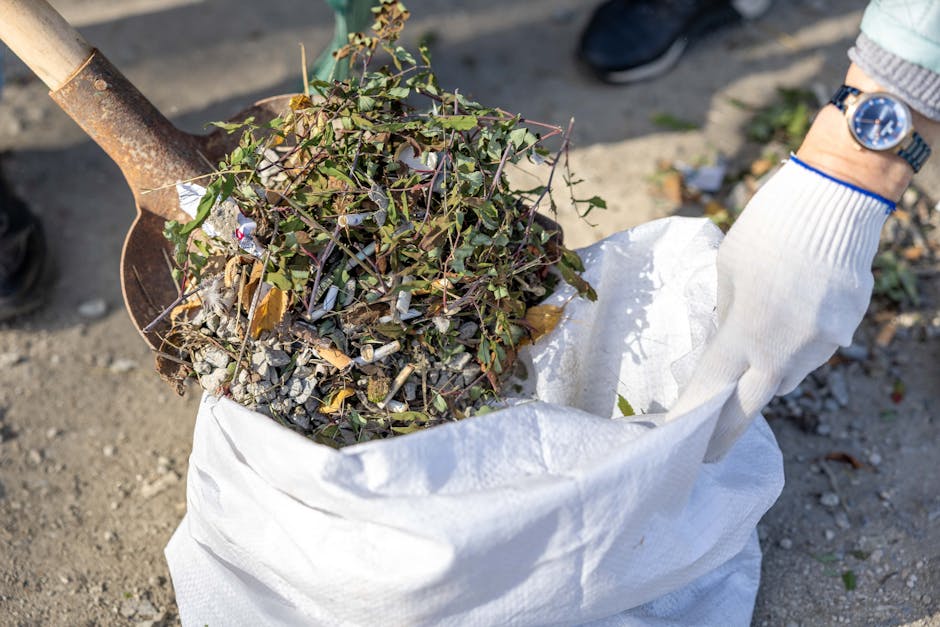
If you need urgent garden clearance in Dalston, you are usually dealing with more than just an untidy patch of grass. It might be a garden that has been left to grow wild, a property that needs to be ready for viewings, or a space that has become difficult to use because of waste, broken branches, or overgrowth. Whatever the reason, the main question is the same: what should actually happen when a clearance has to be done quickly?
This guide explains Urgent garden clearance Dalston what to expect in plain English. You will learn how the job is typically assessed, what happens on the day, what can affect timing and cost, and the practical things worth checking before anyone starts lifting a spade. There is also a checklist, a comparison table, and a few honest pointers from the sort of real-world jobs people often need sorting in a hurry. Let's face it, when the garden has become a bit of a mess, you want clarity, not fluff.
Why Urgent garden clearance Dalston what to expect Matters
Urgent garden clearance matters because delays tend to make garden problems worse, not better. A small pile of cuttings can turn into a damp, slippery obstacle. A hedge left unchecked can block access, reduce light, and make a property feel neglected. If you are moving house, letting a place out, managing a shared yard, or simply trying to make a garden usable again, speed matters for both appearance and safety.
In Dalston, where many homes have compact outdoor spaces, side passages, and shared access points, a rushed job still has to be a careful job. A good clearance service should not just "remove stuff". It should make the space safer, more usable, and easier to manage after the first visit. That might include green waste removal, bagging debris, cutting back overgrowth, and separating items that can be recycled from items that need disposal. If the space is being cleared as part of a wider refresh, the team may also point you towards garden maintenance or longer-term landscaping support once the urgent work is done.
There is also a trust element. If you are inviting a team into your garden at short notice, you want to know they will turn up prepared, work safely, and leave the site tidy rather than half-finished. That sounds obvious, but in a rush, obvious things are often the first to get missed. A decent clearance visit should still feel organised.
Quick takeaway: urgent garden clearance is not just about speed. It is about restoring order quickly without making a mess of the property, the access routes, or the long-term condition of the garden.
How Urgent garden clearance Dalston what to expect Works
Most urgent clearance jobs follow a simple pattern. First comes the quick assessment. Then comes the plan. Then the team gets on with the labour, loading, and tidy-up. The exact sequence can vary, but in practice the job usually starts with a look at what needs removing, what can be cut back, and what needs special care.
If you contact a provider and explain that the garden is urgent, they will usually want a few details: how large the area is, whether there is a lot of green waste, whether there are bulky items, and whether access is straightforward. A photo or two can save a lot of back-and-forth. It sounds basic, but it makes a real difference. A narrow passage, steep steps, or limited parking can change the whole feel of the job.
Once the job is agreed, expect the team to arrive with the right tools for the size and condition of the site. That might include hand tools, cutting equipment, sacks, barrows, and protection for surfaces or access points. If there are hedges or brambles involved, the job may overlap with hedge trimming. If branches or woody growth have become a problem, it may also involve tree lopping and removal, though only where appropriate and within what the site actually needs.
And yes, the good teams usually talk to you as they go. They will confirm what is being kept, what is going, and what may need extra time. That avoids the slightly awkward moment when someone says, "I thought you meant all of it."
What usually happens on the day
- Initial walk-through: the team checks the scope and identifies anything awkward or hazardous.
- Sorting: waste, reusable items, and green material are separated where sensible.
- Cutting and clearing: overgrowth, debris, and loose material are removed.
- Loading: waste is bagged or loaded for transport off-site.
- Final tidy: the area is left neat, usable, and safer to move around in.
There may be a few surprises during the job, too. Hidden rubbish under ivy, damp timber, broken pots, or a border that is more root than soil. It happens. A team that has seen a lot of clearance work will not panic. They will just adjust. That is part of the value.
Key Benefits and Practical Advantages
The most obvious benefit is time. Urgent clearance gets a difficult job moving quickly, which is useful if you have a deadline hanging over you. Maybe a sale is moving along. Maybe an inspection is due. Maybe you have simply had enough of looking at a garden that has become a jungle. Fair enough.
Another benefit is safety. Overgrown paths, hidden debris, unstable branches, and slippery surfaces can all create unnecessary risk. Clearing the space makes it easier to walk through, easier to inspect, and easier to maintain afterwards. If a garden is cluttered enough to make access awkward, the knock-on effect can be bigger than people expect. Children, pets, tenants, neighbours, and tradespeople all end up dealing with the same mess.
There is also a visual benefit, of course, but it is not just about "looking nice". A cleaned-up space tends to feel more manageable. People make better decisions when the garden stops shouting at them every time they look out the window. You can actually see the shape of the space again.
For some households, urgent clearance is the first step before regular care resumes. Once the bulk of the work is removed, a lighter routine such as lawn mowing or ongoing garden maintenance becomes much easier and more affordable to keep on top of.
Practical advantages at a glance
- Faster access to the garden
- Reduced trip hazards and obstruction
- Cleaner presentation for guests, buyers, tenants, or neighbours
- Less chance of the problem spreading further
- Easier follow-up maintenance
Who This Is For and When It Makes Sense
Urgent garden clearance is not only for severely neglected gardens. It is for anyone facing a time-sensitive situation where the outdoor space needs to be made usable quickly. That might include landlords preparing for a new tenancy, homeowners expecting an estate agent visit, or families clearing a garden after a period when maintenance simply slipped.
It also makes sense after storms. Fallen branches, scattered debris, and torn growth can quickly turn a garden from manageable to messy. In winter, wet ground and reduced daylight make these jobs feel even more pressing. You look outside at 8am and think, "Right. This is not a weekend project."
The service is often relevant if:
- the garden has become overgrown and access is difficult
- there is a deadline for sale, letting, or handover
- you need to remove bulky waste and green cuttings in one visit
- the space has become unsafe or unsightly
- you want a reset before redesigning the garden
If the job is more than a one-off tidy-up, it may be useful to compare clearance with a broader service package. For example, some properties benefit from combining clearance with services overview planning or a wider refresh through landscape gardening. That does not mean you must do everything at once. It just means you should know what stage you are at.
Step-by-Step Guidance
If you want a stress-free urgent clearance, a simple process helps. Not fancy. Just organised.
1. Describe the problem clearly
Start by saying what is urgent and why. Is the issue overgrowth, waste, storm damage, access, or a deadline? The more specific you are, the better the estimate and the smoother the visit. A few photos can help a lot, especially if the garden is difficult to describe in words.
2. Flag access and restrictions
Let the team know about side access, locked gates, narrow paths, shared entries, parking limits, or anything delicate like decking, glass, or newly laid surfaces. If the garden includes timber features or a seating area, a service such as decking services may be relevant later on, but for now the main point is to protect what is staying in place.
3. Agree the scope before work starts
Be clear about what should be removed and what should stay. Sounds simple, yet this is where jobs often go sideways. A pot with sentimental value. A compost bin full of good material. A shrub you wanted pruned, not ripped out. Clarity saves hassle.
4. Ask how waste will be handled
Good clearance work should include a plan for disposal or recycling. Ask whether green waste will be separated, whether reusable materials will be sorted, and how the job is tidied afterwards. If sustainability matters to you, you may want to ask about recycling and sustainability before work begins.
5. Check the final finish
Once the clearance is done, walk the garden if you can. Look for leftover cuttings, hidden offcuts, unstable piles, or areas that still need attention. A proper tidy-up should leave the space noticeably clearer, not just "less bad".
Expert Tips for Better Results
One of the biggest mistakes people make is asking for everything to happen at once without deciding what the priority is. If the garden is a mess, fine, but which part is urgent? The walkway? The front access? The overhanging hedge? The broken waste pile near the bins? Prioritising saves time and money.
Another tip: clear a little yourself only if it genuinely helps. Moving a child's bike, opening the gate, or shifting a few easy items can improve access. But do not spend hours doing prep that the clearance team could handle more safely and quickly. That is not always the best use of your energy.
Ask for practical advice while the team is there. A good clearance job often reveals what the garden really needs next. For example, once the heavy growth is gone, you may realise the hedge is healthy but messy, the lawn is patchy, or the boundary needs more structure. That is where follow-on support like regular maintenance or longer-term landscaping can stop the whole cycle from repeating.
And one small but useful tip: do not wait for the perfect weather. In London, especially, that can be a fool's errand. If the job is urgent and the ground is workable, it is usually better to sort it now than to keep staring at it for another three weeks.
Common Mistakes to Avoid
The first mistake is being vague. "The garden needs clearing" does not tell anyone much. Is it leaves and cuttings, brambles and waste, or a serious access issue? The more accurate you are, the fewer surprises later.
The second mistake is assuming every urgent clearance is automatically a cheap job. Sometimes the problem is straightforward. Sometimes it is heavy, awkward, or full of mixed waste. If access is limited or the site is particularly dense, the labour involved can rise quickly. Better to understand that early than argue about it after the fact.
Another common issue is forgetting about safety. There may be nails in old timber, uneven paving, hidden glass, or dead branches under a thick layer of growth. A rushed job still needs proper care. In our experience, the most efficient teams are the ones that work steadily, not recklessly. That is a small distinction, but it matters.
People also sometimes skip the "what next?" conversation. Once the urgent clearance is done, the garden will need a plan. Without that, the same problem tends to return, just slower. Not exactly ideal.
Tools, Resources and Recommendations
You do not need to know every tool a clearance team uses, but it helps to understand the basics. For a typical urgent clearance, the work may involve hand tools for cutting, pruning saws for woody growth, bags or tubs for debris, barrows for moving material, and protective gear for the crew. If the site includes dense growth or larger branches, more robust equipment may be used as needed.
From a homeowner's point of view, the most useful "resource" is good information. Have the following ready before booking:
- photos of the garden from a few angles
- a rough idea of size or layout
- notes on access, parking, or shared entrances
- anything that must be preserved
- any deadlines or time constraints
If you are comparing providers or trying to understand what is included, the pricing and quotes page is a sensible place to start. It helps to know whether the price is based on labour time, waste volume, access difficulty, or a combination of those things. No one likes surprise add-ons. Nobody.
For trust and peace of mind, it is also reasonable to check pages such as insurance and safety and the site's health and safety policy. Those details are not glamorous, but they are exactly the sort of thing you want in place when a team is working fast on a live site.
Law, Compliance, Standards and Best Practice
Garden clearance often sounds informal, but there are still sensible standards to follow. Waste should be handled properly, people on site should be kept safe, and anything hazardous should be treated with care. In the UK, that generally means using lawful waste handling practices, separating materials sensibly where possible, and avoiding fly-tipping or careless disposal. A reputable service should be comfortable talking plainly about that.
If the work involves significant cutting, lifting, or access issues, the team should also be mindful of general workplace safety practices. That includes safe use of equipment, tidying trip hazards, and wearing suitable protective gear. You do not need a lecture on regulations. You need a crew that behaves sensibly. That's the headline.
It is also worth noting that special care may be needed where there are wildlife nesting concerns, protected trees, or shared boundaries. In those situations, the right approach is usually caution and practical judgement rather than rushing ahead. If you are unsure, ask before the work begins. A good company should explain what can and cannot be done on the day.
Options, Methods and Comparison Table
Not every overgrown garden needs the same approach. Some sites need a light tidy. Others need a full reset. And sometimes the right answer is a combination of clearance now and maintenance later. The table below gives a simple comparison.
| Option | Best for | Typical strengths | Possible limitation |
|---|---|---|---|
| Urgent garden clearance | Overgrowth, waste, time-sensitive jobs | Fast reset, safer access, immediate visible improvement | May not solve long-term upkeep on its own |
| Regular garden maintenance | Keeping a presentable garden over time | Prevents re-growth, spreads cost, easier planning | Not enough for badly neglected spaces |
| Hedge trimming | Boundary overgrowth and shape control | Improves light, access, and neatness | Doesn't remove broader garden waste |
| Tree lopping and removal | Problem branches or unsafe woody growth | Deals with more serious structural issues | Only suitable where the tree work is genuinely needed |
| Landscaping or redesign | Rebuilding a tired garden after clearance | Creates a more usable long-term layout | Usually not the first step if the space is heavily cluttered |
If you are uncertain which route to take, start with the least risky answer to the immediate problem. In many cases that is clearance first, then a more considered plan afterwards. Nice and simple, really.
Case Study or Real-World Example
A typical urgent job in Dalston might look like this: a small rear garden has become overrun after a period of illness or a busy move, with cuttings, old pots, and a few broken branches blocking the path to the back door. The owner needs the space cleared before a weekend family visit. Nothing dramatic, but definitely not something they want to tackle alone on a Thursday evening after work.
On arrival, the team would first check access, then agree what should be kept, moved, or removed. The old bags and loose debris would go first because they create the biggest immediate obstacle. Next would come the heavier cutbacks around the path and boundary. Once the bulk is gone, the area starts to feel manageable again. You can hear the difference sometimes as well - less crunching underfoot, less rustle from overgrowth, just a cleaner, calmer space.
What matters in that kind of job is not theatrical transformation. It is practical relief. The owner can get to the line, open the gate properly, and see what needs attention next. After that, a lighter service plan may follow, such as lawn work, hedge trimming, or a fresh maintenance routine. Not everything has to be solved in one go.
Practical Checklist
Use this simple checklist before you book an urgent clearance visit:
- Identify the main problem: waste, overgrowth, access, or safety
- Take a few clear photos of the garden
- Measure or estimate the space if possible
- Note any narrow access, shared entrances, or parking limits
- List anything that must stay in place
- Ask how waste will be removed and sorted
- Confirm whether hedges, branches, or bulky items are included
- Check if follow-up maintenance might be needed
- Ask about insurance and safety procedures
- Walk the site after the job and inspect the finish
If you have ticked those boxes, you are in a much better place. A hurried booking with a clear brief is usually far better than a "let's just see on the day" approach.
Conclusion
So, what should you expect from urgent garden clearance in Dalston? A prompt assessment, a clear plan, practical work carried out safely, and a garden that feels usable again rather than overwhelming. The best results come from being honest about the problem, realistic about access and scope, and clear about what you want to keep.
Done well, a clearance job is not just a clean-up. It is a reset. It gives you breathing space, makes the property easier to manage, and creates a proper starting point for whatever comes next. That might be simple upkeep, a redesign, or just the quiet satisfaction of finally seeing the back of the garden again. Which, honestly, can feel brilliant.
If you are ready to move from "I should really sort that" to actually sorting it, start with a short, clear brief and a few photos. That small step saves a lot of back-and-forth and gets the right help moving faster.
Get a free quote today and see how much you can save.
Frequently Asked Questions
How fast can urgent garden clearance usually happen?
It depends on the size of the job, access, and how much waste is involved. A small, straightforward garden may be turned around quickly, while a larger or more complex site may need more time. The fastest way to avoid delays is to send clear photos and explain the urgency from the start.
What do I need to prepare before the team arrives?
Try to make access easy, move personal items you want to keep, and note anything fragile or awkward in the garden. If there is a locked gate, shared entry, or parking issue, mention it early. A tidy access route helps the job start smoothly.
Will urgent garden clearance remove green waste only?
Not always. Many jobs involve a mix of green waste, cut branches, loose debris, and sometimes bulky items. Be specific about what is there so the team can plan properly. If in doubt, list everything rather than leaving it to chance.
Is urgent garden clearance the same as regular maintenance?
No. Clearance is usually a bigger reset job, often done when a garden has become heavily overgrown or cluttered. Maintenance is lighter and more routine. Once the urgent work is done, maintenance is often the sensible next step.
Can I book clearance if I only have a small Dalston garden?
Yes, absolutely. Small gardens can become difficult very quickly, especially if access is tight or waste has piled up. In fact, compact London gardens often benefit the most from a quick, decisive clearance.
What affects the price of an urgent clearance job?
The main factors are usually the amount of work, the type of waste, access conditions, and whether the site needs extra care. A simple job is quicker than a tangled one. If you want a clearer idea before booking, ask for a breakdown through pricing and quotes.
Will the garden be left tidy after the clearance?
A proper clearance should end with a neat finish, not just a pile moved from one corner to another. That said, the exact level of finishing will depend on the site and what has been agreed. It is always worth checking the final result before the team leaves.
Do urgent clearance teams handle hedges and branches too?
Often yes, if those elements are part of the problem. Hedge reduction or heavier branch work may be included where suitable, and some jobs may involve hedge trimming or tree lopping and removal. The key is to explain what you are seeing so the right equipment is brought.
What if I am not sure whether I need clearance or landscaping?
If the garden is cluttered, inaccessible, or heavily overgrown, clearance is usually the right first step. If the space is already clear but poorly laid out or tired, landscaping may be more appropriate. Sometimes the two go hand in hand, but clearance almost always comes first.
Is it safe to clear a badly overgrown garden myself?
Sometimes, but not always. If there are hidden hazards, unstable piles, sharp objects, dense brambles, or awkward access, it can get risky quickly. In those cases, using a professional service is usually the safer and faster option. There is no medal for wrestling a thorny hedge on your own.
Can urgent garden clearance help before a house sale or move?
Yes. A cleared garden often makes a property feel more presentable, easier to inspect, and less stressful to hand over. It can also make follow-up photography or viewings feel more polished. Even a modest improvement can change how a place feels.
What should I ask before booking?
Ask what is included, how waste is handled, whether access affects timing, and whether there are any limits on the type of clearance work. If you want reassurance about standards, it is sensible to review pages such as health and safety policy and insurance and safety too.